
Experiencing an ectopic pregnancy can be physically painful and emotionally devastating. Beyond the immediate medical concerns and grief of pregnancy loss, many women face a pressing question: can I still have a healthy baby in the future? If you’ve gone through this challenging experience, you deserve honest, hopeful answers about your reproductive future.
The encouraging news is that most women who experience an ectopic pregnancy can go on to have successful pregnancies. Research demonstrates that up to 85 percent of women who have suffered an ectopic pregnancy will go on to have a healthy pregnancy within two years. Understanding what affects your individual chances and taking proactive steps can significantly improve your fertility outcomes.
Understanding Ectopic Pregnancy and Its Impact
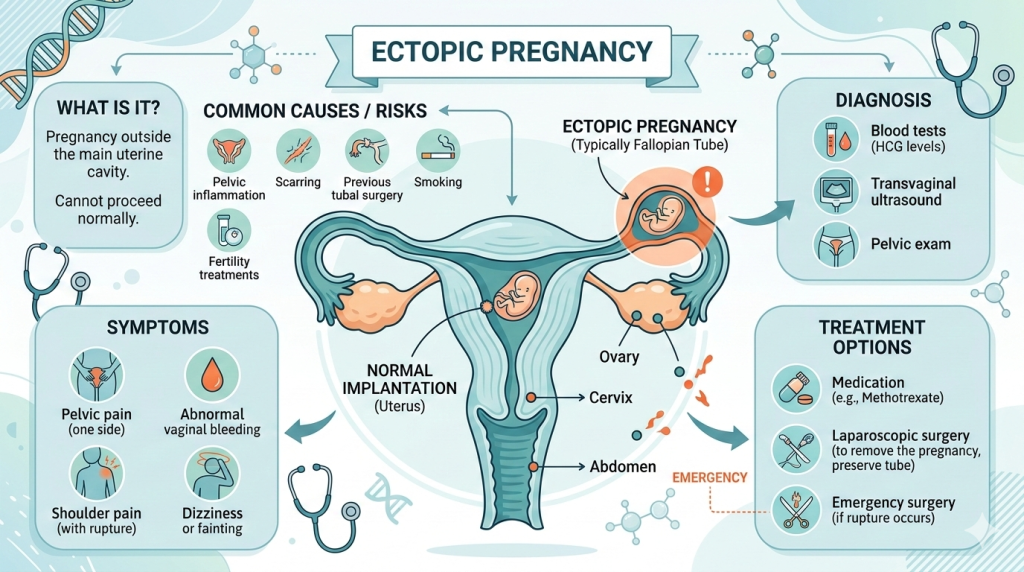
The primary concern with ectopic pregnancies involves potential damage to the fallopian tubes. Whether from the ectopic pregnancy itself, underlying conditions that caused it, or the treatment required, this damage can affect future fertility. However, the extent of impact varies greatly depending on several factors.
Your Chances of Getting Pregnant Again
Multiple studies have examined fertility outcomes following ectopic pregnancy, and the results offer genuine hope. Research indicates that 65.5 percent of women became pregnant after treatment, with 84.7 percent of these being intrauterine pregnancies. However, it’s important to acknowledge that after an ectopic pregnancy, there’s about a 10-15 percent chance it will happen again. This elevated risk stems from underlying factors that contributed to the first ectopic pregnancy, such as fallopian tube damage or scarring.
Factors That Influence Your Fertility
Several elements determine your individual chances of conceiving again after an ectopic pregnancy:
Treatment Method Received
The type of treatment you received significantly impacts future fertility. Studies show that medical treatment of early ectopic pregnancies with medication, compared to surgical treatments sparing the fallopian tube, had no adverse fertility outcome. Women treated with methotrexate injections generally maintain excellent fertility potential since this approach causes minimal scarring.
For surgical treatment, outcomes depend on the procedure performed. Tube-sparing surgery (salpingostomy) preserves the affected fallopian tube, while salpingectomy involves removing the entire tube. Research indicates that women who were treated with surgery that spared the fallopian tubes and fallopian tube removal surgery had almost the same rate of pregnancy after treatment, given the other fallopian tube is healthy.
Health of Your Remaining Tube
If you still have at least one healthy, functioning fallopian tube, your chances of natural conception remain good. The unaffected tube can compensate for the damaged or removed one. However, if both tubes are compromised or removed, natural conception becomes impossible, and assisted reproductive technologies like IVF become necessary.
Underlying Causes
The reason behind your ectopic pregnancy matters. Common risk factors include:
Pelvic Inflammatory Disease (PID): Infections causing inflammation and scarring in the reproductive tract significantly increase ectopic pregnancy risk and may affect fertility outcomes.
Previous Pelvic Surgery: Scarring from prior surgeries can damage fallopian tubes and increase recurrence risk.
Endometriosis: This condition causes tissue similar to the uterine lining to grow outside the uterus, potentially affecting tubal function.
Smoking: Tobacco use dramatically increases ectopic pregnancy risk and negatively impacts overall fertility.
Age: Maternal age affects both fertility and ectopic pregnancy rates. Research shows that age greater than 35 years, history of infertility, and anterior tubal damage decrease reproductive performance.
Optimizing Your Chances for Future Pregnancy
While you cannot change what happened, you can take steps to maximize your fertility going forward.
Allow Appropriate Recovery Time
Your body needs time to heal both physically and emotionally. If you received methotrexate treatment, most doctors recommend waiting at least three months before trying to conceive, as this medication can affect rapidly dividing cells. For surgical treatment, recovery time varies, but most women can attempt conception after one normal menstrual cycle, provided their doctor approves.
Address Risk Factors
Identifying and managing risk factors improves your chances:
- Quit smoking immediately: This single change dramatically reduces recurrence risk and improves overall fertility
- Treat infections promptly: Address any pelvic infections or sexually transmitted infections with appropriate antibiotics
- Manage chronic conditions: Control conditions like diabetes or thyroid disorders that can affect fertility
- Maintain healthy weight: Both obesity and being underweight negatively impact reproductive health
Consider Fertility Testing
Before attempting another pregnancy, comprehensive fertility evaluation helps assess your reproductive health. Testing typically includes:
- Hysterosalpingogram (HSG) or sonohysterography to evaluate fallopian tube patency
- Ovarian reserve testing through blood work and ultrasound
- Semen analysis for male partners
- Assessment for conditions like endometriosis or PCOS
This testing provides crucial information about your fertility status and helps identify any obstacles to conception.
Close Early Monitoring
Any pregnancy after an ectopic requires careful early monitoring to confirm proper implantation. After a positive pregnancy test, your healthcare provider will perform serial blood tests measuring hCG (human chorionic gonadotropin) levels to ensure they’re rising appropriately. Around five to six weeks gestation, transvaginal ultrasound can confirm the pregnancy is developing in the uterus rather than in the fallopian tube.
When Natural Conception Isn't Possible
For women who have suffered significant tubal damage, had both tubes removed, or experienced multiple ectopic pregnancies, in vitro fertilization (IVF) offers an excellent pathway to parenthood.
IVF After Ectopic Pregnancy
IVF bypasses the fallopian tubes entirely by fertilizing eggs in the laboratory and transferring the resulting embryo directly into the uterus. This dramatically reduces the risk of another ectopic pregnancy, though it doesn’t eliminate it completely—ectopic pregnancies can still rarely occur even with IVF.
IVF has a high success rate, even for women with tubal damage. For women with damaged or absent fallopian tubes, IVF may represent the only viable option for achieving pregnancy, but it’s a highly effective one.
The Emotional Journey
The psychological impact of ectopic pregnancy deserves recognition. Many women experience grief, anxiety about future pregnancies, and fear of recurrence. These emotions are entirely valid. Consider seeking support through:
- Counseling or therapy specializing in pregnancy loss
- Support groups for women who’ve experienced ectopic pregnancy
- Open communication with your partner about fears and hopes
- Allowing yourself time to heal emotionally before attempting another pregnancy
Finding Specialized Care
Successfully navigating fertility after an ectopic pregnancy often requires expert support. When searching for a “fertility specialist near me” or “fertility clinic near me” in Jaipur, look for providers experienced in post-ectopic fertility care-those who offer thorough testing such as tubal evaluation, can guide both natural conception and advanced fertility treatments, and understand the emotional impact of your journey. The right specialist will also provide careful early-pregnancy monitoring to ensure safe implantation. Dedicated fertility centers can tailor care to your unique needs and help you move forward confidently.
Expert Guidance for Your Journey
For women seeking comprehensive care after ectopic pregnancy, Nishant IVF & Fertility Clinic provides expert evaluation and personalized treatment strategies. With advanced diagnostic capabilities and extensive experience managing complex fertility cases, Dr. Nishant Dixit helps women understand their individual fertility status after ectopic pregnancy and develops customized plans to achieve successful pregnancies.
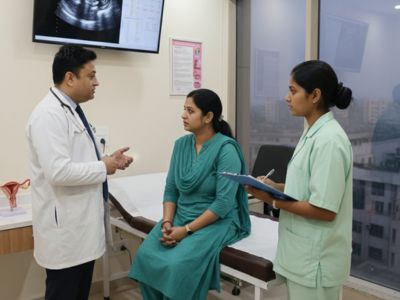
The clinic offers the full spectrum of fertility services, from thorough diagnostic testing and natural conception support to advanced IVF with genetic testing. This comprehensive approach ensures that each woman receives care tailored to her specific needs, whether that involves optimizing natural conception chances or pursuing assisted reproduction when necessary.
Moving Forward With Hope
Experiencing an ectopic pregnancy doesn’t mean the end of your dreams of motherhood. While it may alter your path to parenthood, it rarely eliminates it. The majority of women who experience ectopic pregnancies go on to have healthy babies, whether through natural conception or with fertility treatment assistance.
The key lies in understanding your individual situation, addressing any modifiable risk factors, receiving appropriate medical care, and partnering with experienced fertility specialists who can guide you through the process. With proper evaluation, treatment, and monitoring, your chances of a successful pregnancy and healthy baby remain excellent.
Don’t let fear or uncertainty prevent you from seeking the support and information you need. Reach out to a fertility specialist who can assess your specific situation and help you chart the best path forward. Your dream of holding a healthy baby in your arms is still very much within reach.
Disclaimer: This article provides educational information about fertility after ectopic pregnancy and should not replace personalized medical advice. Consult with a qualified fertility specialist for proper evaluation and treatment recommendations specific to your situation.