

When people talk about infertility, most of the attention goes to women. But science says something different: male fertility contributes to nearly 40-50% of all infertility cases. And yet, most men assume fertility is only about having a “good sperm count.”
The truth is: male fertility is far more complex than just numbers. Motility, shape, DNA quality, hormones, lifestyle, testicular health, and even everyday habits can dramatically affect a man’s ability to father a child.
As the world observes International Men’s Day, it is the right time to highlight male reproductive health-something rarely discussed, often ignored, and deeply misunderstood.
This blog explains seven overlooked male fertility factors that many couples have no idea about, and how understanding them can improve chances of natural pregnancy or IVF/ICSI success.
1. Sperm Motility: Can They Swim?
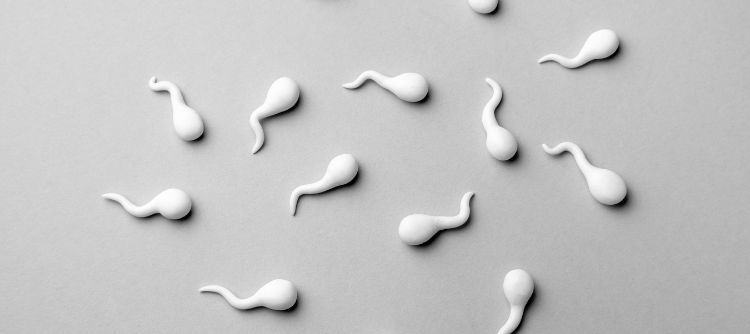
A good sperm count means little if sperm cannot move efficiently.
Healthy sperm must swim forward with strength and speed to reach and fertilize the egg.
Low motility can be caused by:
- Smoking and alcohol consumption
- Metabolic diseases like diabetes
- High scrotal temperature
- Nutritional deficiencies
- Oxidative stress
This is why semen analysis evaluates motility percentage along with sperm count.
2. Sperm Morphology: Shape Matters
A healthy sperm needs the correct shape: a proper head, midpiece, and tail, to move efficiently and penetrate the egg.
Abnormal sperm shape (poor morphology) can result from:
- Varicocele
- Infections
- Smoking or tobacco
- Heat exposure
- Genetic or hormonal issues
Morphology issues are often missed because count may be normal, but fertilization still fails.
3. Hormonal Imbalance in Men
Male hormones significantly influence fertility, yet very few men get them evaluated.
Imbalance of hormones like testosterone, FSH, LH, and prolactin can cause:
- Low sperm production
- Erectile dysfunction
- Low libido
- Reduced semen volume
Obesity, thyroid disorders, and chronic stress also disrupt hormone balance.
For this reason, a complete male fertility evaluation should include hormonal blood tests, not just semen analysis.
4. DNA Fragmentation: The Hidden Problem
One of the most overlooked male fertility issues is sperm DNA quality.
Even when semen analysis looks normal, sperm DNA fragmentation can lead to:
- Failed fertilization
- Recurrent IVF failures
- Early miscarriages
- Poor embryo development
DNA damage is commonly caused by:
- Smoking
- Air pollution
- Heat exposure
- Obesity
- Certain medications
- Aging
A Sperm DNA Fragmentation Test can detect this hidden issue and guide treatment options.
5. Silent Varicocele (Testicular Vein Problem)
A varicocele is similar to varicose veins, but in the scrotum.
It increases heat around the testicles and reduces sperm production and quality.
It is one of the most common and treatable causes of male infertility.
However, many men do not realize they have it because:
- There may be no pain
- Swelling is not always visible
- Only an ultrasound or clinical evaluation detects it
Varicocele treatment often improves semen parameters and pregnancy chances naturally or with IVF.
6. Everyday Lifestyle Habits That Damage Fertility

Several daily habits quietly harm sperm health, such as:
- Tight underwear
- Keeping laptops on the lap
- Excessive cycling
- Steroid use for bodybuilding
- Smoking, alcohol, tobacco, or substance use
- Junk food and sugary drinks
- Poor sleep patterns
- Overuse of gym supplements
Even exposure to heat from hot baths or saunas can reduce sperm count.
When men make lifestyle changes, fertility improvement is often noticeable within months.
7. Infections and Medical Conditions
Male fertility can also be impacted by:
- Sexually transmitted infections
- Mumps after puberty
- Diabetes
- Thyroid disorders
- Kidney or liver disease
- Autoimmune disorders
- Testicular injury or surgery
Some infections block sperm transport, while others affect sperm formation or DNA quality. A semen culture test or scrotal ultrasound can diagnose these problems.
Why Testing Both Partners Matters
Many couples assume the issue lies with the woman and begin tests and treatments on her first.
This often results in delayed diagnosis and emotional stress. A basic semen analysis is one of the quickest, simplest, and most affordable fertility tests. It can provide immediate insight and guide treatment.
Modern fertility treatments, including ICSI, PGT, sperm washing, varicocele repair, and lifestyle modification, help thousands of men achieve fatherhood.
Why This Matters on International Men’s Day
International Men’s Day focuses on men’s health, awareness, and well-being. Male infertility has long been a silent topic. Men rarely discuss it, avoid testing, and assume everything is normal.
But medical science is clear:
- Male fertility is equally important
- Most male infertility causes are treatable
- Early testing improves success rates
This day is a reminder that men deserve proper reproductive healthcare too.
When Should a Man See a Fertility Specialist?

You should consult a Fertility Specialist if:
- You have been trying to conceive for 6–12 months
- Semen analysis is abnormal
- There are repeated IVF or ICSI failures
- Erectile dysfunction or low libido exists
- There is a history of mumps or testicular injury
- You are overweight or diabetic
- There are recurrent miscarriages in the partner
Early evaluation often leads to faster results and more effective treatment.
The Bottom Line
Male fertility is not just about sperm count. It includes sperm motility, morphology, hormones, DNA quality, lifestyle, and overall reproductive wellness.
The encouraging news is that most male fertility issues are treatable.
With medical guidance, healthy habits, and modern fertility technology, fatherhood is possible for many men facing infertility.
For advanced male fertility evaluation, semen testing, DNA fragmentation analysis, and treatment options, you can visit Nishant Fertility Care, Jaipur, a trusted IVF clinic near you offering expert, evidence-based care. Here, experienced specialists help couples move closer to their dream of parenthood.