
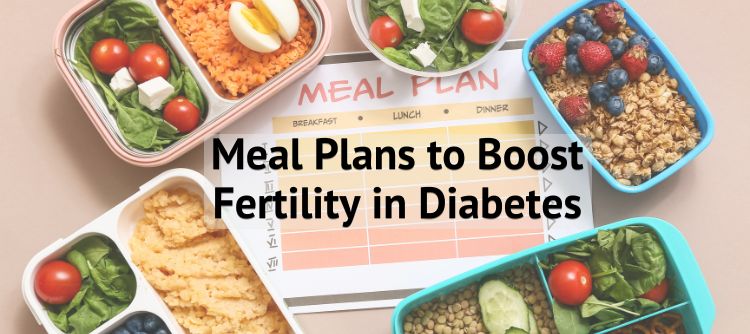
Many people know that diabetes affects blood sugar, but very few realize how deeply it can impact fertility. For couples trying to conceive, diabetes can influence hormones, ovulation, sperm quality, endometrial health, embryo development, and even implantation. While medical treatment is important, research consistently shows that dietitian-backed meal plans play a critical role in improving fertility outcomes for individuals with diabetes.
Every year, World Diabetes Day reminds us that diabetes is not just about medication; it is about lifestyle choices that protect long-term health. For couples planning a pregnancy, food becomes more than nutrition-it becomes a fertility-supporting treatment tool.
This blog explains exactly why a dietitian-guided approach matters, how diabetes affects reproductive health, and why nutrition changes can improve the chances of natural conception or IVF success.
How Diabetes Affects Fertility
1. Insulin Resistance Disrupts Hormones
One of the most important links between diabetes and fertility is insulin resistance. When the body cannot use insulin properly, the pancreas produces more of it. High insulin levels interfere with reproductive hormones such as estrogen, progesterone, and testosterone.
- In women, this can lead to irregular ovulation, PCOS-like symptoms, and difficulty releasing mature eggs.
- In men, insulin resistance is linked to low testosterone, reduced sperm count, and poor sperm motility.
This hormonal disturbance makes conception harder, even in otherwise healthy couples.
2. High Sugar Levels Affect Egg and Sperm Quality
Uncontrolled diabetes causes oxidative stress, which leads to cellular inflammation.
- In women, this affects the quality of eggs and may delay embryo development.
- In men, high glucose levels can damage DNA in sperm, reduce motility, and slow sperm formation.
A dietitian-backed nutrition plan reduces inflammation, stabilizes glucose, and protects reproductive cells.
3. Weight Complications Create Additional Challenges
Many individuals with Type-2 diabetes struggle with excess weight or obesity. High body fat leads to increased estrogen production, which can stop ovulation altogether. In men, excess weight reduces testosterone and may even cause erectile dysfunction.
A targeted diet created by a clinical nutritionist promotes healthy weight loss without nutrient deficiencies, making natural conception and ART treatments more successful.
4. Irregular Menstrual Cycles
Women with diabetes often experience:
- unpredictable periods
- skipped ovulation
- heavier or lighter menstrual flow
- difficulty predicting fertile days
A professional nutrition plan helps balances hormones like insulin, leptin, and estrogen-making cycles more predictable.
5. Complications During Pregnancy
Even after conception, uncontrolled glucose increases the risk of:
- miscarriage
- gestational diabetes
- preterm birth
- birth defects
Planning nutrition before pregnancy dramatically reduces these risks and prepares the body for a healthier pregnancy.
Why Dietitian-Backed Plans Work Better Than General Diet Advice
1. Dietitians Understand Blood Sugar Patterns
Many people think eating “less sugar” is enough. But diabetes involves carbohydrate timing, protein pairing, glycemic index, and food-insulin response. A registered dietitian analyzes:
- fasting sugar
- post-meal spikes
- lifestyle and stress
- previous medical history
This allows them to design a plan that avoids sugar spikes and stabilizes hormones.
2. Nutrition for Diabetes Is Not One-Size-Fits-All
Everybody responds differently. Some people require higher fiber intake, others need controlled carbs, and still others need specific micronutrients.
A dietitian ensures you don’t fall into extreme diets that harm fertility, such as:
- very low-carb diets
- crash dieting
- fasting for long periods
Sustainable nutrition is essential for hormone balance and reproductive health.
3. Dietitians Correct Deficiencies That Affect Pregnancy
Even with normal sugar levels, many diabetic individuals lack nutrients important for conception:
- Folate
- Vitamin D
- Iron
- Omega-3
- Zinc
- Antioxidants
Dietitians include foods that naturally supply these nutrients, helping improve egg quality, sperm quality, and embryo growth.
4. Food Timing Matters
Eating the right food at the wrong time can still cause insulin spikes.
Dietitians guide:
- when to eat carbohydrate-rich foods
- how to pair protein for better sugar control
- what to avoid before sleeping
- how to reduce cravings
Better timing = better glucose control = better hormonal balance.
5. Better Results With IVF and ICSI
Many couples with diabetes undergo IVF, ICSI, or IUI. Successful implantation depends on:
- healthy eggs
- healthy sperm
- balanced hormones
- controlled blood sugar
Nutrition plays a direct role in all four. A scientific meal plan can improve IVF outcomes by reducing inflammation and supporting embryo development.
Scientific Benefits of Dietitian-Backed Nutrition for Fertility
Improves Ovulation
Stable glucose helps ovaries release eggs regularly.
Boosts Sperm Health
Antioxidants improve sperm motility and DNA protection.
Reduces Inflammation
Less inflammation means better endometrial lining and implantation.
Balances Hormones
Controlled insulin = balanced estrogen, progesterone, and testosterone.
Supports a Healthy Pregnancy
Nutrition prepares the body for conception, reduces miscarriage risk, and promotes healthy fetal development.
Why This Matters on World Diabetes Day
World Diabetes Day highlights the importance of awareness, prevention, and management. When couples plan pregnancy, prevention becomes even more meaningful.
A diagnosis of diabetes does not mean you cannot become a parent. It simply means your body needs support.
By combining medicine with dietitian-guided nutrition, couples take control of their fertility and increase the chances of a healthy pregnancy naturally or through fertility treatments.
When Should You Seek Professional Help?
You should consult a fertility expert if:
- You have diabetes and have been trying to conceive for 6–12 months
- Your periods are irregular
- You have PCOS, thyroid issues, or insulin resistance
- Semen analysis shows low count or motility
- You are preparing for IVF or ICSI
- There is a history of miscarriages
A fertility doctor and dietitian working together make a powerful team for your reproductive health.
The Bottom Line
Diabetes and fertility are deeply connected-but diet gives you real control.
A dietitian-backed meal plan is not about restriction; it is about nourishing your body in a way that stabilizes hormones, supports reproductive cells, and strengthens your chances of pregnancy.
Whether you are trying naturally or planning IVF, good nutrition is one of the most effective fertility tools.
For personalized guidance, medical evaluation, and fertility treatment options, you can connect with Nishant Fertility Care, Jaipur – a trusted fertility center near you, where experienced specialists provide compassionate and science-based treatment for couples hoping to become parents.