How Age Affects Fertility in Men & Women | Causes & Treatment Options
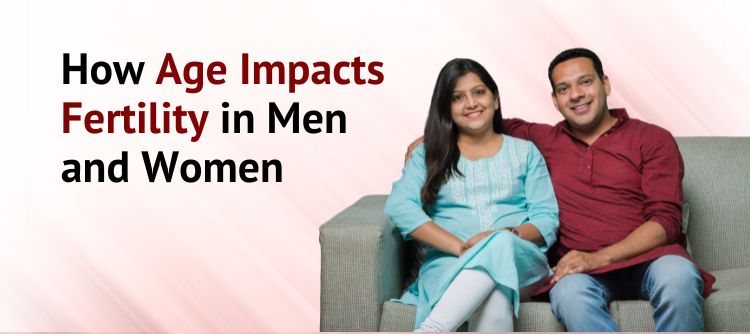
Fertility is closely linked to age, and as couples delay parenthood due to career, lifestyle, or personal reasons, the effects of aging on reproductive health have become an important topic. Both men and women experience age-related changes that affect their ability to conceive, though the impact is more pronounced in women. Understanding how age influences fertility can help couples make informed decisions and seek timely medical advice when planning a family.
Female Fertility and Age
Women are born with a fixed number of eggs, and this reserve naturally declines over time. Along with the quantity, the quality of eggs also reduces, affecting the chances of conception and the health of a pregnancy.
Key Points:
- 20s: This is considered the most fertile period. Egg quality and ovulation are at their peak, offering the highest chances of natural conception.
- 30s: Fertility begins to decline gradually. After 35, the drop becomes more significant, and risks of miscarriage or chromosomal abnormalities increase.
- 40s and beyond: The chances of natural conception become very low, and most women in this age group require fertility assistance such as IVF or egg donation.
Egg quality decline is one of the biggest challenges with age, leading to difficulties in fertilization, implantation, and sustaining a healthy pregnancy.
Male Fertility and Age
While men produce sperm throughout their lives, age also affects male fertility, although more gradually than in women.
Effects of Age on Male Fertility:
- Sperm Quality: As men age, sperm motility (movement) and morphology (shape) can decline, reducing the chances of successful fertilization.
- DNA Fragmentation: Older men may have higher rates of sperm DNA damage, which can affect embryo quality and increase miscarriage risk.
- Health Factors: Conditions like obesity, diabetes, and lifestyle habits can worsen with age, further reducing sperm quality.
- Conception Time: Studies suggest that it may take longer for older men to achieve pregnancy with their partners compared to younger men.
Age and Assisted Reproductive Techniques (ART)
Modern medicine provides hope for couples facing age-related infertility. Treatments are tailored to the individual’s reproductive health and age.
- For Women:
- Fertility medications to stimulate ovulation
- IVF (In Vitro Fertilization) with own or donor eggs
- Egg freezing at a younger age for future use
- For Men:
- Semen analysis to assess sperm health
- ICSI (Intracytoplasmic Sperm Injection) to improve fertilization chances
- Lifestyle changes and supplements to support sperm quality
Early evaluation and intervention increase the chances of success with ART.
Key Takeaway
- Female fertility declines significantly after 35, while male fertility gradually decreases with age.
- Egg quality, sperm health, and hormonal changes all play a role in age-related infertility.
- Assisted reproductive techniques such as IVF and ICSI can help couples overcome these challenges.
- Seeking expert advice at the right time ensures better planning for family goals.
Final Word
Age is a natural factor that impacts fertility in both men and women. While delaying parenthood is a personal choice, being aware of how age affects reproductive health helps couples prepare better. If you have been trying to conceive without success, consulting a fertility specialist can provide clarity and solutions tailored to your needs.
At Nishant Fertility Care, we offer advanced treatments, compassionate guidance, and personalized care to help you achieve your dream of parenthood—regardless of age.