
TESA Treatment for Male Infertility: What to Expect from This Fertility Procedure
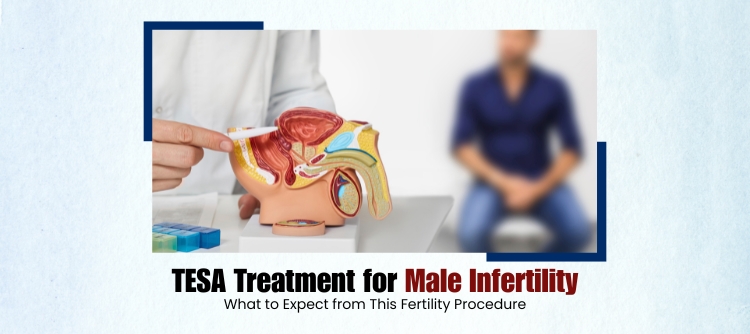
Male infertility plays a major role in many couples’ struggles to conceive. Although attention often centers on female reproductive health, male factors are responsible for nearly half of all infertility cases. One advanced solution that addresses specific male infertility challenges is TESA (Testicular Sperm Aspiration). As part of personalized male fertility treatment, TESA offers hope to men who are unable to produce sperm naturally during ejaculation due to various underlying conditions.
TESA is a minor surgical procedure that allows fertility specialists to retrieve sperm directly from the testicular tissue. This method plays a crucial role in assisted reproductive techniques like IVF (In Vitro Fertilization) or ICSI (Intracytoplasmic Sperm Injection), especially when sperm is absent in the semen.
What Is TESA?
TESA stands for Testicular Sperm Aspiration. It’s a medical technique used to extract sperm from the testicle using a small needle. The procedure is typically recommended for men who have no sperm in their ejaculate due to conditions such as:
• Obstructive azoospermia (a blockage in the reproductive tract)
• Non-obstructive azoospermia refers to a condition in which the testicles produce little or no sperm.
• Prior vasectomy or failed vasectomy reversal
• Genetic or hormonal issues impacting sperm delivery
By retrieving sperm directly from the source, TESA provides an opportunity for couples to pursue biological parenthood even when natural conception is not possible.
Who Needs TESA?
TESA is often advised for men diagnosed with azoospermia—a condition where no sperm is found in the semen. This can occur for two main reasons:
1. Obstructive azoospermia: The testes produce sperm normally, but a blockage prevents sperm from reaching the ejaculate. TESA can retrieve viable sperm in these cases.
2. Non-obstructive azoospermia: The testicles may produce very little sperm, or none at all. In such cases, TESA may still successfully retrieve a few viable sperm suitable for assisted reproduction.
A thorough evaluation by a fertility specialist helps determine if TESA is the right approach based on the individual’s medical history, physical examination, and diagnostic tests.
What to Expect Before the Procedure
Before undergoing TESA, the fertility team will conduct necessary tests and counseling sessions. These may include:
• Semen analysis to confirm the absence of sperm
• Hormonal assessments to check reproductive function
• Ultrasound or imaging to evaluate testicular health
• Genetic counseling if needed
The goal is to ensure that TESA is appropriate and that the individual understands the procedure, its purpose, and its success rates.
The TESA Procedure: Step by Step
TESA is generally done as an outpatient procedure and usually takes under 30 minutes to complete.Here’s what the procedure involves:
1. Preparation: The area is cleaned, and local anesthesia is administered to ensure comfort during the procedure.
2. Sperm Retrieval: The doctor uses a fine needle to extract a small amount of tissue from the testicle that may contain sperm cells.
3. Sample Analysis: A lab specialist immediately examines the sample under a microscope to check for live sperm.
4. Sperm Preservation or Use: If sperm is retrieved, it can be used immediately for IVF/ICSI or frozen for use in a future cycle.
The procedure is generally well tolerated, and most men experience only minor discomfort afterward.
Recovery After TESA
Recovery from TESA is typically quick. Most men can return to work and normal activities within 1–2 days. Common post-procedure effects may include:
• Mild soreness or swelling in the scrotal area
• Temporary bruising or discomfort
• Slight pressure or aching, usually managed with cold packs and rest
Doctors usually recommend avoiding strenuous activity and sexual intercourse for a few days after the procedure to allow healing.
Success Rate and Expectations
TESA has a good success rate, especially in cases of obstructive azoospermia. The chances of retrieving viable sperm depend on the underlying cause of infertility. In many cases, enough sperm is retrieved for use in assisted reproduction methods like ICSI.
It’s important to note that TESA does not guarantee fertilization or pregnancy on its own—it’s one step in the broader fertility process. However, when combined with IVF or ICSI, it significantly improves the chances for couples to conceive using the male partner’s sperm.
Emotional and Psychological Support
Facing male infertility and undergoing procedures like TESA can bring emotional challenges. Many men feel stress, anxiety, or self-doubt during the process. That’s why counseling and emotional support are vital. A supportive fertility clinic will ensure that both partners feel informed, empowered, and encouraged throughout the journey.
The Importance of Choosing the Right Clinic
The success of TESA and the overall fertility journey greatly depends on the expertise of the medical team. Choosing an experienced clinic with advanced lab facilities and a compassionate approach can make a significant difference. A specialized fertility team will guide patients with personalized plans, transparent communication, and high standards of care.
Conclusion
TESA is a powerful and minimally invasive fertility procedure that opens the door to parenthood for many men facing infertility. It offers a practical solution for retrieving sperm in cases where natural ejaculation does not provide viable samples. For couples struggling with male-factor infertility, understanding and exploring options like TESA can be a life-changing step.
With expert guidance and advanced care in Nishant Fertility Center, couples can approach their parenthood dreams with confidence, compassion, and a path tailored to their unique journey.