
Understanding Secondary Infertility: Causes & Treatments
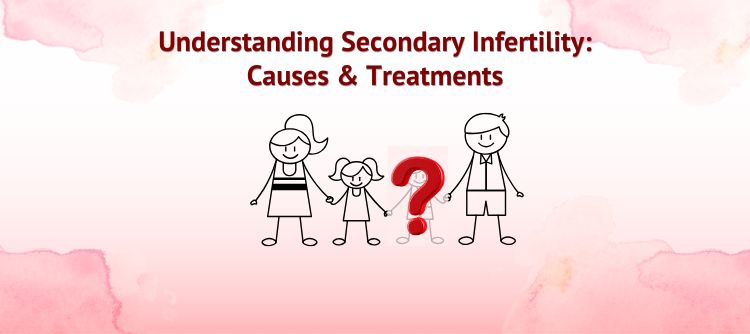
When a couple has successfully conceived once but later faces difficulty in conceiving again, the experience can be confusing and emotionally draining. This condition is known as secondary infertility. It is more common than many people realize and affects both men and women. Understanding the possible causes and available treatments can help couples take the right steps towards parenthood.
What is Secondary Infertility?
Secondary infertility refers to the inability to conceive or carry a pregnancy to term after previously giving birth without the use of fertility treatments. Unlike primary infertility, where conception has never occurred, secondary infertility can feel even more surprising since the couple has already experienced parenthood once.
Causes of Secondary Infertility
Several factors may contribute to difficulties in conceiving the second time around. These include:
1. Age
Age plays a crucial role in fertility. As women age, the number and quality of their eggs decline. After 35, chances of natural conception decrease significantly, making age one of the leading causes of secondary infertility.
2. Ovulation Disorders
Conditions like PCOS (Polycystic Ovary Syndrome) or thyroid imbalances can disrupt ovulation, making it harder to conceive. Irregular periods or skipped cycles often indicate such issues.
3. Male Factor Infertility
Changes in sperm quality, count, or motility can develop over time due to lifestyle factors, medical conditions, or age. A semen analysis often helps in identifying such problems.
4. Blocked Fallopian Tubes
Infections, pelvic surgeries, or complications from the first delivery may cause scarring or blockages in the fallopian tubes, preventing the egg and sperm from meeting.
5. Uterine or Endometrial Conditions
Fibroids, adhesions, or other uterine abnormalities can interfere with embryo implantation and healthy pregnancy.
6. Lifestyle & Health Factors
Obesity, excessive stress, smoking, alcohol, or unmanaged chronic conditions like diabetes can reduce fertility in both partners.
Treatments for Secondary Infertility
The good news is that secondary infertility is treatable, and with timely medical intervention, many couples are able to conceive successfully. Treatment depends on the underlying cause:
1. Lifestyle Modifications
Maintaining a healthy weight, eating a balanced diet, exercising regularly, and managing stress can boost fertility naturally.
2. Fertility Medications
Drugs or hormonal injections are prescribed to stimulate ovulation and improve chances of conception.
3. Surgical Treatments
Procedures to remove fibroids, clear fallopian tube blockages, or correct uterine abnormalities may restore fertility.
2. Assisted Reproductive Techniques (ART)
- IUI (Intrauterine Insemination): Sperm is directly placed into the uterus to increase chances of fertilization.
- IVF (In Vitro Fertilization): Eggs are retrieved, fertilized in a lab, and transferred back into the uterus.
- ICSI (Intracytoplasmic Sperm Injection): A single sperm is injected directly into the egg, often used in male infertility cases.
5. Counseling & Emotional Support
Infertility takes a toll emotionally as well as physically. Counseling, support groups, and open communication between partners are essential parts of the journey.
Key Takeaway
Secondary infertility can be challenging, but it is not the end of the road. With advanced diagnostics and treatments, couples today have excellent chances of conceiving again. If you have been trying for a year (or six months if over 35) without success, it is wise to consult a fertility specialist.
At Nishant Fertility Care, we provide personalized treatment plans tailored to each couple’s unique needs, offering expert guidance, advanced technology, and compassionate care to help you achieve your dream of parenthood.