What is Ovulation Period and How It Impacts Fertility
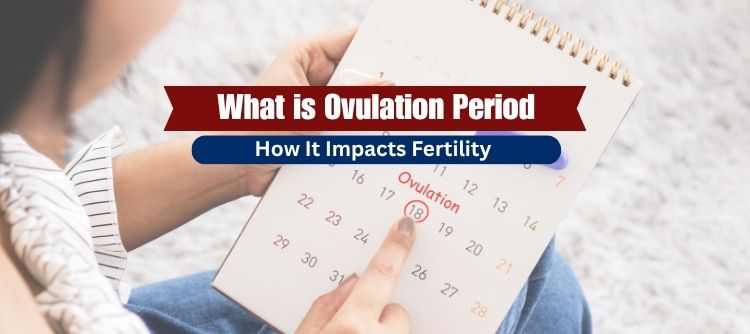
Understanding the ovulation period is essential for couples trying to conceive naturally or planning assisted reproductive options. At our IVF center in Jaipur, one of the first things we help women understand is their ovulation cycle, as it plays a critical role in determining the most fertile days of the month. Knowing when ovulation occurs can significantly improve the chances of conception.
What is Ovulation?
Ovulation is the process where a mature egg is released from an ovary and begins its journey through the fallopian tube, where it can potentially meet sperm and become fertilized. Ovulation typically happens once in every menstrual cycle, usually around the middle of the cycle, though the exact timing varies from woman to woman.
In a standard 28-day menstrual cycle, ovulation usually takes place around day 14. However, for women with shorter or longer cycles, the timing of ovulation can vary. The fertile window includes the five days leading up to ovulation and the day of ovulation itself, as sperm can survive inside the female reproductive tract for up to five days.
Signs of Ovulation
Tracking ovulation can help women better understand their cycles and time intercourse for conception. Some common signs of ovulation include:
- Change in cervical mucus: Cervical mucus changes during ovulation, becoming clear, slippery, and stretchy—much like raw egg whites.
- Slight increase in basal body temperature: After ovulation, there’s a small but noticeable rise in body temperature.
- Mild pelvic or abdominal pain: Some women experience slight discomfort or a dull ache in the lower abdomen during ovulation.
- Increased libido: A natural spike in sexual desire may occur around the time of ovulation.
- Heightened sense of smell or taste: Hormonal changes can make your senses more acute during ovulation.
While these signs vary among individuals, tracking them consistently over several months can provide valuable insights into one’s fertility window.
Why the Ovulation Period is Important for Fertility
Ovulation is at the heart of female fertility. Without the release of an egg, natural conception cannot occur. For couples trying to conceive, timing intercourse around the ovulation period greatly increases the chances of pregnancy.
Here’s how ovulation impacts fertility:
- Timing is Key
The egg is viable for about 12 to 24 hours after it’s released. This means the window for fertilization is quite narrow. Having intercourse during the fertile window—the few days before ovulation and on the day of ovulation—offers the best chance of conceiving. - Irregular Ovulation May Indicate Problems
Women who experience irregular periods may not ovulate consistently, which makes it harder to predict fertile days. Polycystic ovary syndrome and thyroid imbalances can disrupt regular ovulation. Identifying these issues early can prevent delays in conception and guide women toward appropriate support. - Ovulation Predicts Cycle Health
A healthy ovulation pattern generally signals that the reproductive system is functioning well. It also provides insights into hormonal balance, which is crucial not only for fertility but for overall health.
How to Track Ovulation
Women can use several methods to identify their ovulation period:
- Calendar tracking: Monitoring menstrual cycles over several months helps estimate the day of ovulation.
- Basal body temperature charting: Measuring body temperature every morning can help detect the slight rise that follows ovulation.
- Cervical mucus monitoring: Observing changes in mucus texture and volume provides natural clues.
- Ovulation predictor kits (OPKs): These kits detect the hormone surge that precedes ovulation, offering a more precise prediction.
While these methods are not foolproof, using a combination of them increases accuracy. Women with irregular cycles may find digital tools or fertility apps helpful in recognizing patterns over time.
When to Seek Help
Couples who have tried to conceive for more than a year—or six months for women over 35—should consult a fertility specialist. Sometimes, underlying issues like hormonal imbalances, ovulatory dysfunction, or blocked fallopian tubes may hinder conception.
In such cases, fertility evaluations can pinpoint the problem and offer suitable options. Understanding your ovulation cycle becomes even more important when undergoing fertility assessments or planning treatments.
Ovulation and Age
It’s important to recognize that age significantly affects ovulation and fertility. The number and quality of a woman’s eggs decrease with age. Ovulation may still occur regularly, but the chances of successful fertilization and implantation decrease. Therefore, early awareness and planning can make a meaningful difference for women considering parenthood later in life.
Supporting Healthy Ovulation
Maintaining a healthy lifestyle helps promote regular ovulation and supports overall reproductive well-being. Some helpful habits include:
- Maintaining a balanced diet with adequate nutrients
- Exercising regularly without overexertion
- Managing stress through mindfulness or yoga
- Getting enough sleep and staying hydrated
- Avoiding excessive caffeine, smoking, or alcohol
Being proactive about reproductive health helps create a supportive environment for conception—whether naturally or through medical intervention.
Conclusion
Ovulation plays a central role in a woman’s ability to conceive. Understanding your cycle and recognizing the signs of ovulation can empower you to take control of your fertility journey. Whether you’re planning to conceive soon or exploring your options for the future, knowledge about ovulation is a powerful first step.
For those facing challenges in conceiving naturally, advanced fertility treatment, Nishant Fertility Center offers comprehensive support tailored to individual needs. With the right guidance and timing, your journey toward parenthood can begin with confidence and hope.