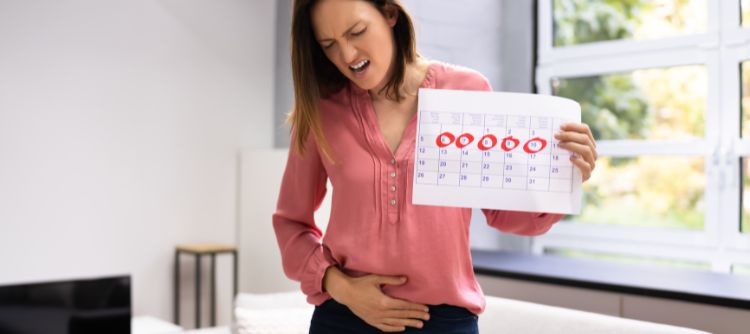
Every month, millions of women experience the familiar discomfort that arrives with their menstrual cycle. For some, it’s mild cramping that passes within a day or two. For others, it’s debilitating pain that disrupts work, school, relationships, and everyday activities. If you find yourself asking, “Why does my period hurt every month?” you’re not alone-and more importantly, you deserve answers and effective solutions.
Understanding Menstrual Pain: What's Actually Happening?
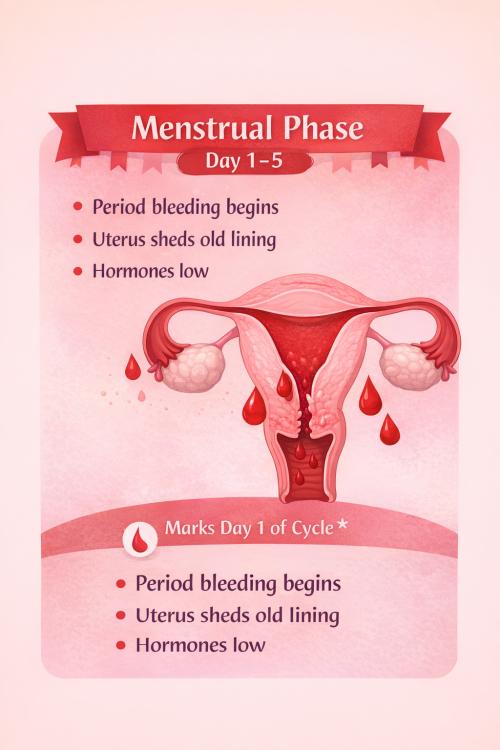
Menstrual pain, medically termed dysmenorrhea, is one of the most common gynecological concerns affecting women of reproductive age. More than half of women who menstruate experience pain for at least one or two days during their cycle. But what causes this monthly discomfort?
During menstruation, your uterus contracts to expel its lining. These contractions are triggered by prostaglandins, hormone-like substances involved in pain and inflammation. When prostaglandin levels are elevated, the uterine contractions become more intense, resulting in greater pain. The discomfort typically manifests as cramping in the lower abdomen, though many women also experience pain radiating to the lower back, hips, and inner thighs.
Two Types of Period Pain: Primary vs. Secondary
Understanding the type of menstrual pain you’re experiencing is crucial for finding the right treatment approach.
Primary
Primary Period Pain represents the “typical” menstrual cramps that many women experience from the time they start their periods. This type begins soon after a girl starts having menstrual periods, and for many women, the intensity tends to decrease with age or after childbirth.
This pain usually starts just before or at the onset of your period and typically subsides within two to three days. It’s caused directly by those prostaglandin-induced uterine contractions we mentioned earlier-no underlying medical condition is involved.
Secondary
Secondary Period Pain tells a different story. The pain tends to get worse over time and often lasts longer than normal menstrual cramps. It may begin several days before your period starts and continue well after bleeding ends. This type results from an underlying reproductive health condition that requires medical attention.
Common Causes Behind Severe Period Pain
If your monthly discomfort feels more than just routine cramping, several conditions might be at play:
Endometriosis
Endometriosis is the most common medical condition that causes period pain. This occurs when tissue similar to your uterine lining grows outside the uterus-on the ovaries, fallopian tubes, or the pelvic cavity. This misplaced tissue responds to hormonal changes just like the uterine lining does, breaking down and bleeding during your cycle. Since this blood has nowhere to escape, it causes inflammation, scarring, and intense pain.
Uterine Fibroids
Fibroids are non-cancerous growths that develop within or on the uterine wall. While small fibroids may cause no symptoms, larger ones or those located within the uterine wall can trigger significant cramping, particularly during menstruation. Many women with fibroids also experience heavy menstrual bleeding alongside the pain.
Adenomyosis
Adenomyosis develops when the tissue lining your uterus begins growing into the muscular uterine wall itself. This condition becomes more common as women age, particularly those who’ve had children. The embedded tissue continues to thicken, break down, and bleed during each menstrual cycle, causing the uterus to become enlarged and tender, resulting in prolonged, heavy, and painful periods.
Pelvic Inflammatory Disease (PID)
This infection of the female reproductive organs is usually caused by sexually transmitted bacteria. Beyond causing painful periods, untreated PID can lead to serious complications including chronic pelvic pain, scarring of the fallopian tubes, and infertility.
When Period Pain Becomes a Red Flag
While some menstrual discomfort is considered normal, certain symptoms warrant immediate medical attention. You should consult a healthcare provider if you’re experiencing:
- Pain so severe it prevents you from attending work, school, or participating in daily activities
- Menstrual discomfort that lasts longer than three days
- Pain that progressively worsens rather than improving with age
- Bleeding that’s significantly heavier than your normal flow
- Symptoms like fever, unusual discharge, or sudden onset of severe pain
- Pain that doesn’t respond to over-the-counter medications
If you notice sudden cramping or severe pelvic pain accompanied by fever, unusual discharge, or other infection symptoms, seek immediate care. Untreated infections can cause permanent damage to reproductive organs and impact fertility.
Finding Relief: Treatment Options That Work
The good news is that effective treatments exist for menstrual pain, ranging from simple home remedies to medical interventions.
Self-Care Strategies
Many women find relief through lifestyle approaches:
- Heat therapy: Applying a heating pad or hot water bottle to your lower abdomen can relax uterine muscles and ease cramping
- Regular exercise: Physical activity releases endorphins, your body’s natural pain relievers
- Dietary adjustments: Reducing caffeine, salt, and sugar while increasing water intake may help minimize bloating and discomfort
- Stress management: Techniques like yoga, meditation, and deep breathing can help manage pain perception
The Importance of Proper Diagnosis
Self-diagnosis can be tempting, but professional evaluation is crucial when dealing with persistent or severe menstrual pain. A gynecologist will take a comprehensive approach to understanding your symptoms:
- Detailed discussion of your menstrual history and pain patterns
- Physical examination, potentially including a pelvic exam
- Imaging studies like ultrasound if necessary
- In some cases, diagnostic laparoscopy to directly visualize pelvic organs
This thorough evaluation ensures that any underlying conditions are identified and treated appropriately, preventing potential complications and preserving your reproductive health.
The Impact on Fertility
For women planning to start or expand their families, understanding the connection between menstrual pain and fertility is essential. Conditions like endometriosis can significantly impact your ability to conceive by causing scarring, adhesions, and damage to reproductive organs. However, early intervention often improves fertility outcomes.
If you’re experiencing painful periods alongside difficulty conceiving, seeking specialized care becomes even more critical. Reproductive specialists can address both the pain and fertility concerns simultaneously, often through minimally invasive surgical techniques that remove problematic tissue while preserving reproductive function.
Finding Expert Care in Your Area
If you’re searching for a “gynecologist near me” or “fertility clinic near me” to address persistent period pain, prioritize finding a provider who:
- Listens carefully to your symptoms and concerns
- Has experience diagnosing and treating complex menstrual disorders
- Offers comprehensive treatment options, from conservative management to advanced surgical techniques
- Takes a personalized approach to your care
- Addresses both pain management and fertility preservation when relevant
Taking Control of Your Menstrual Health
Living with debilitating period pain isn’t normal, and you shouldn’t have to accept it as an inevitable part of being a woman. Whether your discomfort stems from elevated prostaglandin levels or an underlying condition like endometriosis, effective solutions exist.
The first step is acknowledging that your pain matters and deserves professional attention. Many women delay seeking help, thinking their symptoms are “just part of having periods.” But years of suffering can often be avoided with proper diagnosis and treatment.
If monthly pain is affecting your quality of life, disrupting your work or relationships, or causing you to worry about underlying health issues, reach out to a qualified healthcare provider. Advanced diagnostic tools and treatment options can help you reclaim your life from the grip of menstrual pain.
Specialized Care Makes the Difference
When standard treatments haven’t provided adequate relief, or when you suspect your period pain might indicate a more complex issue, seeking care from specialists who focus specifically on menstrual disorders and reproductive health can be transformative.
For those in need of comprehensive evaluation and treatment, Nishant IVF & Fertility Clinic offers expert care for women experiencing painful periods, endometriosis, and related fertility concerns. Led by Dr. Nishant Dixit, the clinic provides personalized treatment plans that address both immediate symptom relief and long-term reproductive health goals. With advanced diagnostic capabilities and evidence-based treatment approaches, the clinic helps women understand the root causes of their menstrual pain and find lasting solutions.
Conclusion: You Deserve Pain-Free Periods
Menstrual pain doesn’t have to control your life. While some cramping may be typical, severe or progressively worsening pain is your body’s signal that something needs attention. Whether through lifestyle modifications, medication, or more advanced interventions, effective treatments can dramatically improve your quality of life.
Remember, seeking help isn’t overreacting-it’s taking charge of your health. With the right diagnosis and treatment plan, you can look forward to periods that don’t derail your entire month. Don’t let another cycle pass in unnecessary pain. Reach out to a qualified healthcare provider today and take the first step toward reclaiming your comfort, productivity, and overall wellbeing.
Disclaimer: This article is for informational purposes only and does not constitute medical advice. Always consult with a qualified healthcare provider for proper diagnosis and treatment of menstrual pain or any health concerns.