
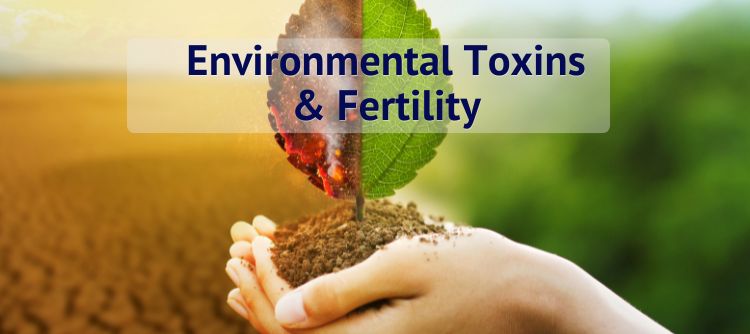
Most couples trying to conceive focus on medical tests, hormones, supplements, and diet. But there is an invisible factor that affects both male and female fertility – environmental toxins. Chemicals in plastics, pesticides, household products, cosmetics, and even the air we breathe can gradually impact reproductive health, reduce sperm quality, disturb hormones, and make conception more difficult.
In the last decade, researchers have repeatedly shown that chemical exposure isn’t just a health issue – it’s directly linked to fertility. Sadly, many people don’t even know they are being exposed to these harmful substances daily.
This blog explains how plastics, pesticides, and air pollution affect fertility and what practical steps you can take to reduce exposure in everyday life.
How Toxins Interfere With Fertility
Toxins such as BPA, phthalates, heavy metals, and pesticide chemicals act as endocrine-disrupting compounds. This means they interfere with natural hormones in the body, especially estrogen and testosterone. When hormones are disturbed, reproductive processes like ovulation, sperm production, embryo implantation, and menstrual cycles become unstable.
Couples struggling with infertility are often surprised to learn that environmental toxins can:
- Reduce sperm count and motility
- Damage sperm DNA
- Affect egg quality and ovarian reserve
- Disrupt menstrual cycles
- Increase risk of miscarriage
- Trigger inflammation in the reproductive system
Even IVF success rates can decline in people with high exposure to chemical pollutants.
1. Plastics and Fertility
Many everyday items – water bottles, food containers, packaging material, toys, electronics – contain chemicals like BPA and phthalates. Over time, these chemicals leach into food and liquids, especially when heated.
How Plastics Affect Reproductive Health
Research on plastics and hormonal imbalance shows that BPA mimics estrogen in the body. Excess estrogen-like activity can:
- Disrupt ovulation
- Reduce ovarian reserve
- Increase risk of PCOS-like symptoms
- Interfere with embryo implantation
For men, exposure is strongly associated with:
- Low sperm count
- Poor motility
- Abnormal sperm morphology
- Hormonal imbalance
Men working in industries that involve plastic processing often show a higher incidence of pesticides and male fertility issues due to combined exposure to chemicals.
How to Reduce Plastic Exposure
- Replace plastic bottles with glass or stainless steel
- Do not microwave food in plastic containers
- Avoid drinking hot beverages from plastic cups
- Choose BPA-free products
- Reduce use of disposable plastic and packaged foods
- Store leftovers in glass containers
- Do not reuse plastic water bottles
Even small steps significantly reduce chemical intake over time.
2. Pesticides and Fertility
Exposure to pesticides and infertility has been proven in agricultural workers, people living in farming regions, and those who consume pesticide-heavy food regularly. Pesticides contain chemicals that directly affect reproductive hormones.
Effects on Women
- Irregular ovulation
- Poor egg quality
- Increased risk of early miscarriage
- Hormonal imbalance
- Endometrial receptivity issues

Effects on Men
- Low testosterone
- Decreased sperm mobility
- DNA fragmentation
- Erectile dysfunction
Certain pesticides are actually classified as reproductive toxins. Even low-level exposure over time can affect fertility, making this a growing public health concern.
How to Reduce Pesticide Exposure
- Wash fruits and vegetables thoroughly with salt/baking soda solution
- Choose organic options when possible
- Prefer seasonal and local produce
- Remove outer leafy layers (for cabbage, lettuce, cauliflower)
- Avoid storing vegetables in plastic bags
- Grow small herbs/vegetables at home
If you work around chemicals, wear protective gear and wash clothing separately.
3. Air Pollution and Infertility
While people understand pollution affects lungs, very few know its impact on reproductive health. Studies on air pollution and infertility show that particulate matter (PM 2.5, PM 10), lead, arsenic, and industrial chemicals enter the bloodstream and reach reproductive organs.
How Polluted Air Harms Fertility
In women:
- Reduces ovarian reserve
- Increases risk of IVF failure
- Leads to inflammation of uterine lining
- Can affect menstrual regularity
In men:
- Reduces sperm count and motility
- Affects testosterone levels
- Increases free radicals → sperm DNA damage
- Leads to abnormal sperm shape (morphology issues)
Couples living in highly polluted cities often show lower natural conception rates compared to those in cleaner environments.
How to Reduce Exposure to Polluted Air
- Use indoor air purifiers
- Keep house plants like money plant, aloe vera, spider plant
- Wear N95 masks in high-pollution areas
- Avoid outdoor workouts during peak traffic hours
- Keep windows closed when pollution levels rise
- Increase antioxidants in diet to fight oxidative stress
Antioxidant-rich foods help reduce cellular damage caused by toxins.
Other Hidden Fertility-Disrupting Toxins
Apart from plastics and pollution, chemicals in daily-use items also impact fertility:
- Artificial room fresheners
- Perfumes with synthetic fragrances
- Non-stick cookware
- Hair dyes and harsh cosmetics
- Cleaning products with ammonia or chlorine
- Insect sprays
Even the coating on thermal receipt paper contains BPA, which absorbs through the skin.
Practical Daily Habits to Reduce Toxin Exposure
You don’t need to live a chemical-free lifestyle overnight. Begin with practical, realistic changes:
- Choose stainless steel, glass, or ceramic over plastic
- Switch to natural cleaning products (vinegar, baking soda)
- Use iron or stainless-steel cookware instead of non-stick
- Avoid heating food in plastic
- Increase organic or pesticide-free vegetables
- Choose fragrance-free skincare and toiletries
- Keep indoor plants to improve air quality
- Drink filtered water
- Avoid burning plastics or scented candles
- Improve ventilation at home
These steps help reduce cumulative exposure – which is what matters most.
Detoxing the Body: Can It Improve Fertility?
Detoxification does not mean extreme diets or fasting. It means supporting the body’s natural ability to remove toxins. Doctors often recommend:
- Hydration
- High-fiber diet
- Leafy greens
- Fruits rich in antioxidants
- Omega-3 healthy fats
- Regular exercise
- Adequate sleep
- Avoiding junk food, smoking, and alcohol
A fertility nutritionist can also suggest supplements targeting oxidative stress and hormone balance.
When Should Couples Seek Medical Help?
If you have been trying to conceive for 6–12 months and suspect environmental exposure may be affecting fertility, consult a fertility specialist near you. Tests such as sperm analysis, ovarian reserve, hormone profile, ultrasound, and DNA fragmentation can provide clarity.
Addressing toxins, along with medical treatment, often leads to better outcomes in IVF, IUI, or natural conception cycles.
Conclusion
Environmental toxins are silent enemies of reproductive health. They interfere with hormones, damage sperm and eggs, and increase the risk of miscarriage and IVF failure. While complete avoidance is impossible, practical lifestyle changes significantly reduce exposure and improve fertility potential.
For lifestyle guidance and expert fertility treatment near you, couples can consult Nishant IVF & Fertility Centre, where specialists provide science-based care to improve reproductive health and increase the chances of a successful pregnancy.